The Difference Between Insulation Types And Materials
Insulation types and materials play a crucial role in building efficiency and comfort. This guide explains the differences to help you make informed choices for your property in your local area.
Spray foam insulation requires specific temperature and humidity conditions for effective curing and adhesion. Optimal installation occurs during moderate weather, with proper preparation, tools, and seasonal considerations to ensure high performance and durability.
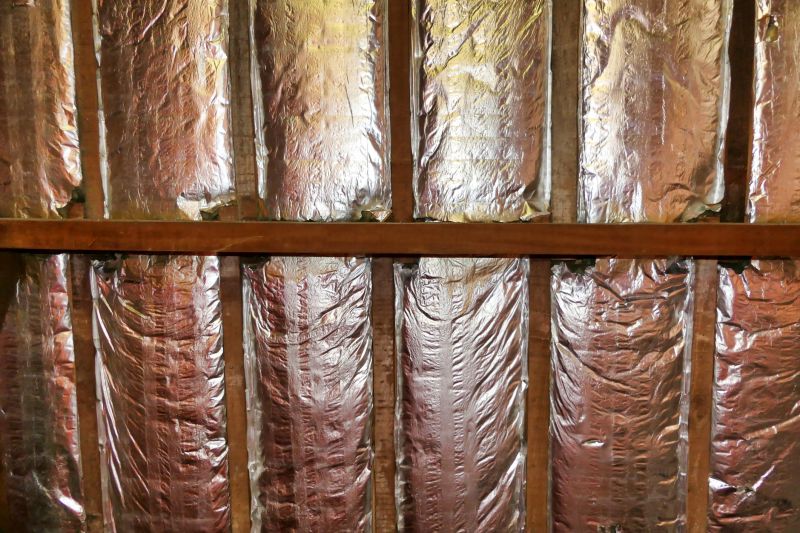
Professional insulation installation enhances thermal performance, improves indoor comfort, reduces energy costs, and increases property value through various methods like spray foam, blown-in, batt, and reflective insulation, ensuring proper sealing and coverage.
Spray foam insulation enhances property efficiency by improving thermal resistance, air sealing, and moisture control. Proper installation ensures long-term durability, energy savings, and effective filling of gaps in walls, attics, and exterior surfaces.
This article explains the factors influencing spray foam insulation costs, including material type, application area, project complexity, and related services, with average prices and benefits for energy efficiency and indoor comfort.