Residential Insulation Service in Austin, TX
Residential insulation services involve installing or upgrading insulation materials within a home to improve energy efficiency and comfort. These projects typically include insulating attics, walls, floors, basements, and crawl spaces. Homeowners often seek insulation services to reduce heating and cooling costs, enhance indoor temperature consistency, and prevent drafts or moisture issues. Before requesting insulation work, property owners usually want to understand the different types of insulation available, such as fiberglass, foam, or cellulose, and how each might suit their specific space and budget.
It is also common for homeowners to inquire about the scope of the project, including areas that need insulation and any necessary preparation or modifications. Understanding the R-value, or thermal resistance, of insulation options helps determine effectiveness, while considerations like accessibility and existing building materials can influence installation methods. Clear information about the expected benefits, potential disruptions, and maintenance can assist property owners in making informed decisions about their insulation needs.
Many property owners in Austin, TX look into Residential Insulation service for repairs, replacements, upgrades, and appearance-related improvements.
Attic Insulation Solutions
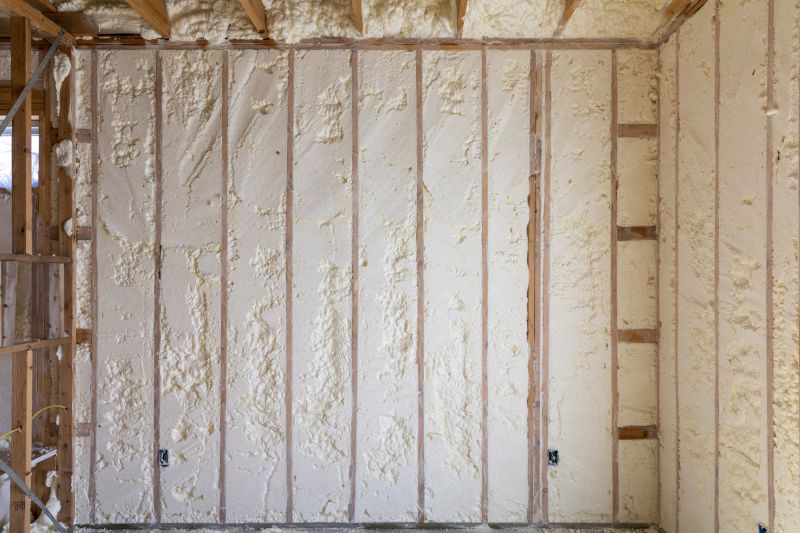
Proper attic insulation helps maintain consistent indoor temperatures in austin homes.
Wall And Floor Insulation
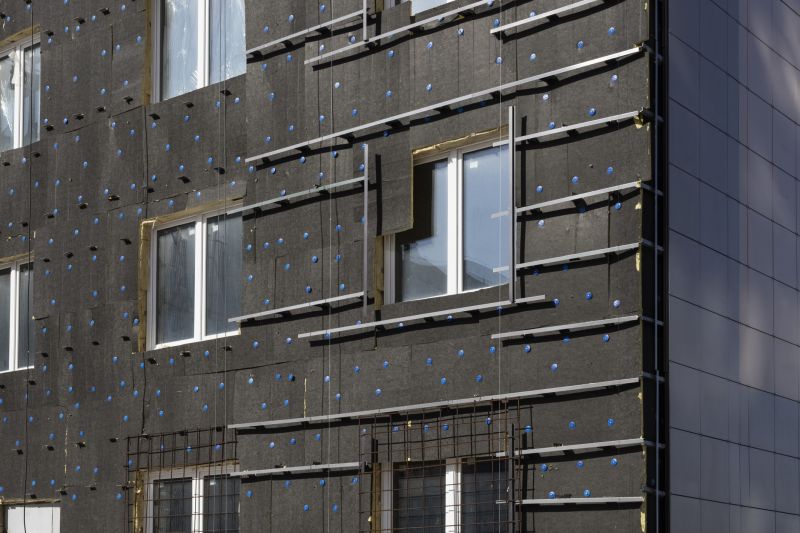
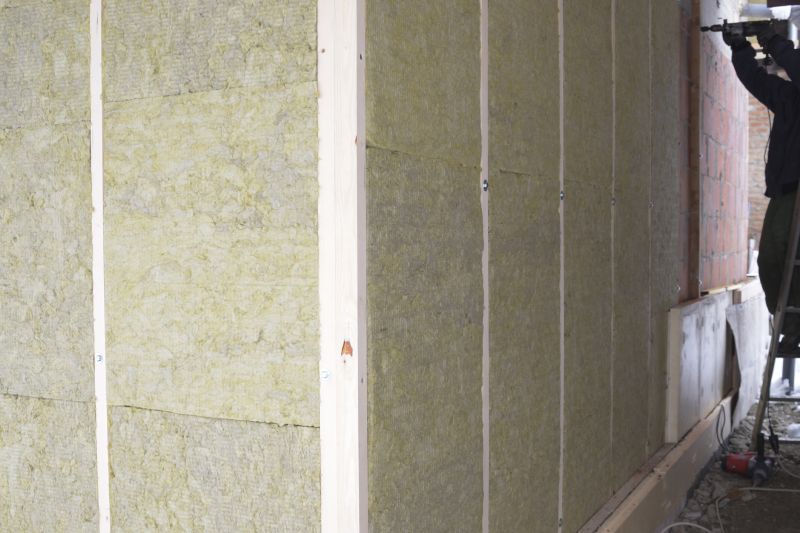
Adding insulation to walls and floors can improve energy efficiency and reduce utility bills.
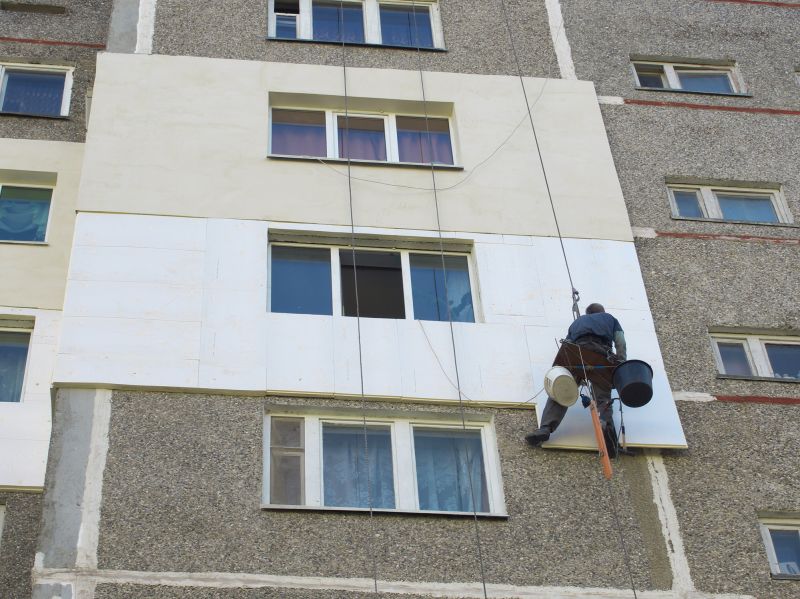
Soundproofing And Comfort
Insulation enhances soundproofing between rooms and increases overall comfort inside the house.
Residential Insulation Service in Austin, TX

Residential insulation services involve installing or upgrading insulation materials within a home to improve energy efficiency and comfort. These projects typically include insulating attics, walls, floors, basements, and crawl spaces. Homeowners often seek insulation services to reduce heating and cooling costs, enhance indoor temperature consistency, and prevent drafts or moisture issues. Before requesting insulation work, property owners usually want to understand the different types of insulation available, such as fiberglass, foam, or cellulose, and how each might suit their specific space and budget.
It is also common for homeowners to inquire about the scope of the project, including areas that need insulation and any necessary preparation or modifications. Understanding the R-value, or thermal resistance, of insulation options helps determine effectiveness, while considerations like accessibility and existing building materials can influence installation methods. Clear information about the expected benefits, potential disruptions, and maintenance can assist property owners in making informed decisions about their insulation needs.
Many property owners in Austin, TX look into Residential Insulation service for repairs, replacements, upgrades, and appearance-related improvements.
Common Residential Insulation Service Jobs
Attic Insulation - improves energy efficiency by reducing heat transfer in the attic space.
Wall Insulation - helps to minimize drafts and maintain consistent indoor temperatures.
Basement Insulation - prevents heat loss in below-grade areas, enhancing overall comfort.
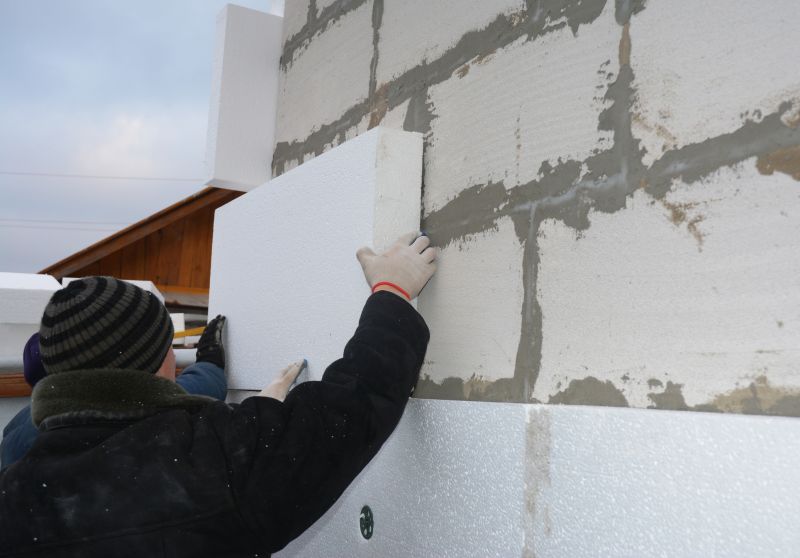
Cavity Insulation - fills wall gaps to improve soundproofing and thermal performance.
Soundproof Insulation - reduces noise transfer between rooms and from outside sources.
Emergency Insulation Repairs - restores insulation integrity after damage or weather-related issues.
Residential Insulation Service Questions
What types of insulation services are available for homes? Services include attic, wall, basement, and crawl space insulation to improve energy efficiency and comfort.
How can insulation improve a home’s energy efficiency? Proper insulation reduces heat transfer, helping to lower energy bills and maintain consistent indoor temperatures.
What are common signs that a home needs insulation upgrades? Signs include drafts, uneven temperatures, high utility bills, or visible gaps in existing insulation.
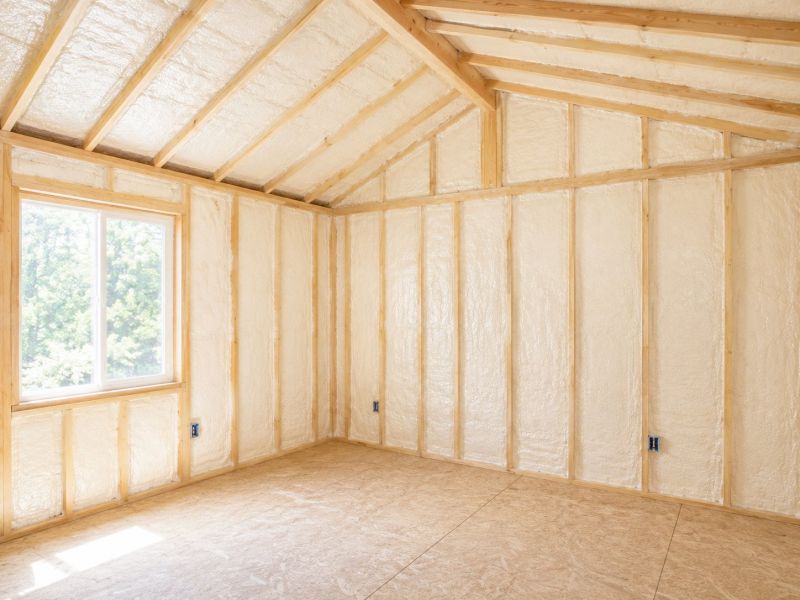
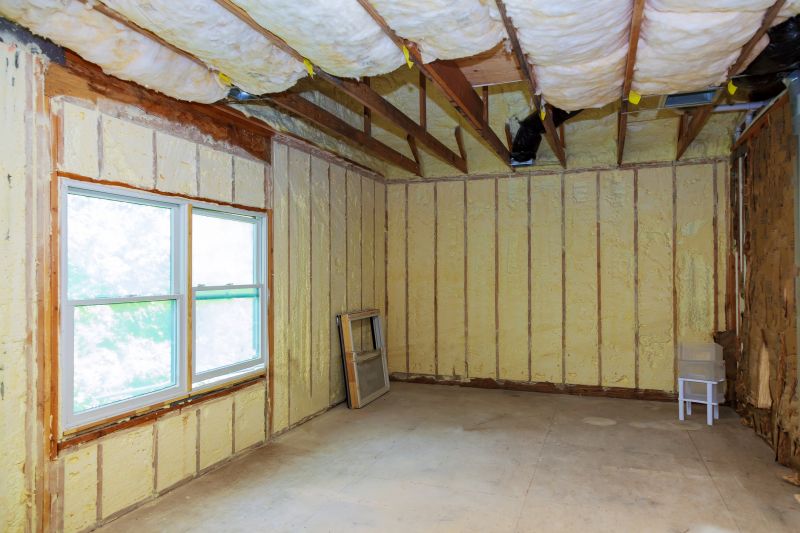
What materials are used for residential insulation? Common materials include fiberglass, cellulose, spray foam, and mineral wool, chosen based on project needs and preferences.
Request Residential Insulation Service in Austin, TX
Use the quote form on this page to share the basics of your project and request more information for the type of work you need.